
Premium Southern Bluefin Tuna
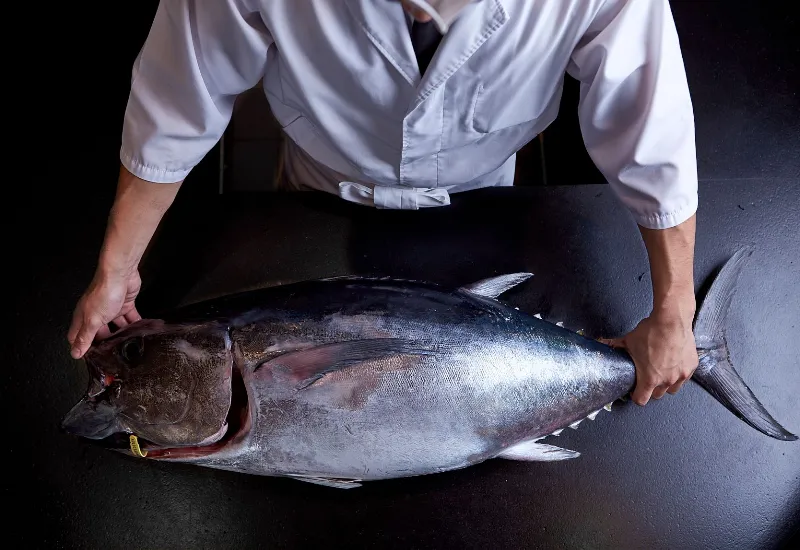
Few ingredients have the culinary reputation and excite the dining anticipation of Southern Bluefin Tuna. Whether served as sashimi, tartare, or lightly seared, Southern Bluefin Tuna is always the star of the dish.
But not all Bluefin Tuna is created equal. Factors like sourcing, sustainability, handling, flavor, and consistency all influence the quality of the final product.
Choosing the right supplier will not only improve the dining experience, it will also reflect your dedication to excellence and respect for the ocean.
As one of Australia’s most trusted Southern Bluefin Tuna suppliers, Dinko Seafoods has spent decades pioneering innovative farming, ranching, and harvesting techniques to deliver exceptional Australian Bluefin Tuna to buyers across the world. Here’s what chefs should know before placing their next wholesale order.
Local VS International
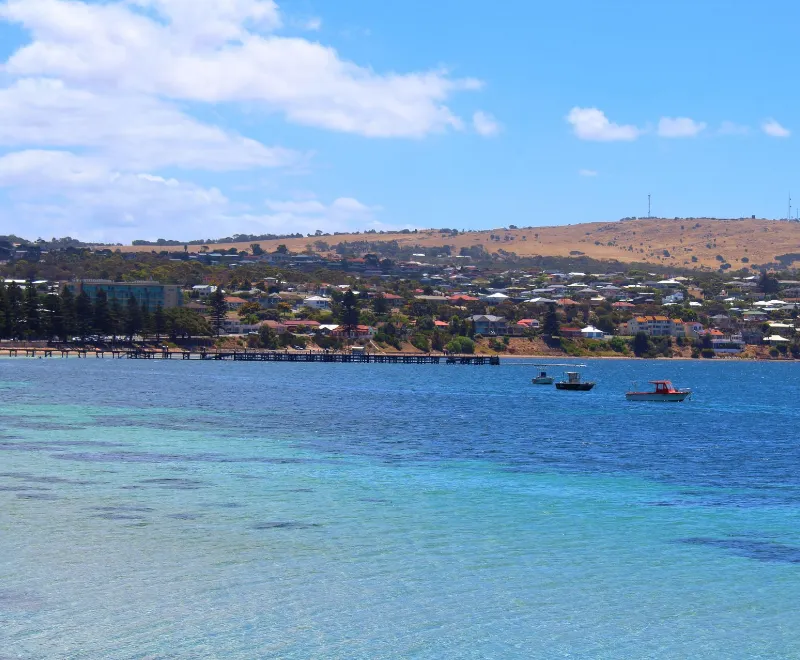
One of the first questions chefs should ask is where the tuna comes from (and how transparent the supply chain is). Around the world, fisheries management and sustainability measures vary considerably, with some regions having weak regulation and limited enforcement of sustainability measures.
This can lead to overfishing, inconsistent handling practices, and reduced transparency across the supply chain. In other regions, fisheries operate under strict quota systems, scientific stock assessments, and rigorous traceability requirements.
These differences have a direct impact on both the quality of the product and the sustainability of our oceans.
Australia is known for its tightly regulated fisheries, where quotas, monitoring and compliance are strictly enforced. For chefs and restaurant owners, working with an Australian Bluefin Tuna supplier means confidence in both environmental responsibility and product integrity. You can be assured that the fish has been harvested under some of the highest standards in the world.
Dinko Seafoods sources Southern Bluefin Tuna from the Great Australian Bight, where tuna are carefully caught and transferred to sea pens for ranching.This approach allows the fish to mature naturally in open ocean conditions, developing flavour and fat content over time, rather than being rushed through industrial processes.
When choosing a Southern Bluefin Tuna supplier, traceability matters. Knowing where your tuna comes from ensures confidence not just in flavour, but in ethical sourcing and long-term sustainability.
Wild-Caught VS Farm-Raised
Both wild-caught and farm-raised approaches to bluefin tuna fishing have implications for quality, sustainability, and flavour. Neither is inherently better, as both are dependent on the method and care involved in the process.
If tuna are advertised as wild-caught, it is important to ask about the fishing method. Highly industrial fishing methods, such as bottom trawling and driftnetting, are associated with overfishing, high bycatch, and enormous stress on the fish, which can degrade the quality of the final product. Pole-and-line, or carefully managed purse seining (vertical netting), are the preferable wild-catch methods.
If the tuna is farm-raised, always be sure to inquire about the farming conditions and diet. Top suppliers will feed tuna a high-quality, natural diet and give them ample space to swim, resulting in superior flavour and fat content.
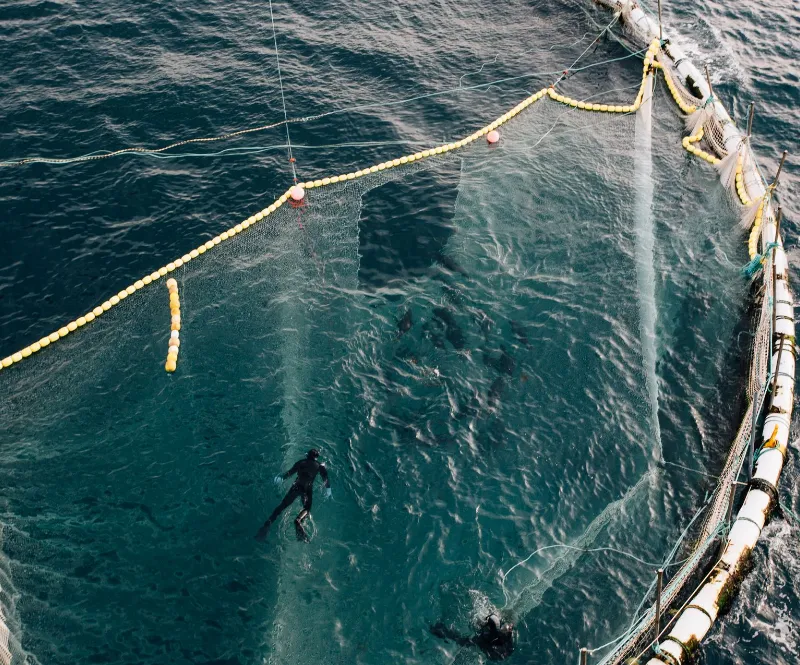
At Dinko Seafoods, we combine the best of both worlds with a “catch and ranch” method. Juvenile wild Southern Bluefin Tuna are gently corralled into large ocean pens using baitfish, so the tuna are not stressed or harmed. Divers ensure only healthy, sufficiently mature fish are kept, while smaller ones are released to help sustain the wild population. The captured tuna then live in expansive sea pens for several months, where they are fed a nutrient rich diet of Australian sardines. When harvest time comes, these ranched tuna are individually caught by hand to prevent bruising or stress to the fish. This method increases the tuna’s weight and marbling without taking more fish from the wild, effectively yielding a product that experienced both a natural life in the ocean and careful fattening in captivity.
Whether wild or farmed, your supplier should clearly explain how the tuna was caught or raised, and how those methods impact quality. Don’t settle for vague answers! A knowledgeable supplier will enthusiastically share their approach to producing flavourful, high-quality tuna.
Fresh VS Frozen Bluefin Tuna
If you’re planning to serve Bluefin Tuna raw, understanding the difference between fresh and frozen is essential for achieving the highest quality sashimi. Whether fresh or frozen, what matters most is how the tuna has been handled from catch to plate.
For fresh Bluefin Tuna to be truly sashimi-grade, it must be caught and processed with extreme care. Ideally, the fish is bled and gutted within 30–60 minutes of being caught, then rapidly chilled on ice or in refrigerated seawater so that the internal temperature drops to around 0 °C within a few hours.Cutting and filleting should happen within 24 hours to ensure the tuna remains safe and of the highest quality. High-quality fresh Bluefin should have a clean, ocean-like aroma, deep ruby-red flesh for lean cuts, and beautifully marbled fatty sections.
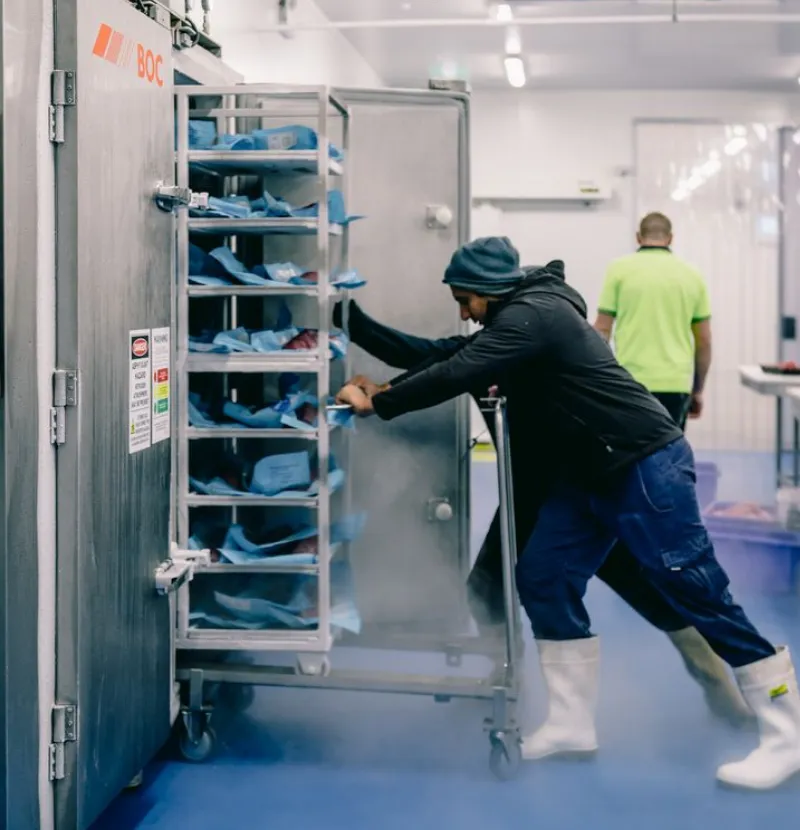
Frozen Bluefin Tuna, when handled correctly, is just as exceptional as fresh. Ultra-low temperature freezing, often to -60 °C within hours of harvest, locks in freshness, texture, and flavour while eliminating parasites, making it completely safe for raw consumption. Flash-frozen tuna preserves the vibrant colour and quality of the flesh without any additives or preservatives, ensuring that every slice is sashimi-grade. Proper thawing restores the taste and texture, delivering a premium experience comparable to fresh-caught fish.
A trustworthy supplier should confidently explain their handling and freezing process. Their explanation should cover everything from catch technique to chilling, freezing, and processing. If they hesitate or provide vague details, that’s a red flag. Quality tuna, whether fresh or frozen, should meet rigorous standards for safety and flavour, ensuring every cut is ideal for raw consumption.
At Dinko Seafoods, we provide only premium Southern Bluefin Tuna, hand-harvested and flash-frozen to ultra-low temperatures within hours. Our super-freezing process guarantees sashimi-grade quality, preserving taste, texture, and colour, while making the tuna perfectly safe to enjoy raw.
Certified VS Uncertified
Sustainability isn’t just an ethical concern, it’s also a customer expectation. High-end chefs know that most diners care where their seafood comes from and how it was caught.
In order to have confidence in the produce you are plating, always ask your tuna supplier about their environmental and ethical practices. Sustainable sourcing means the tuna population is managed responsibly and that the fishing methods avoid undue harm to ocean ecosystems.
Ethical sourcing also considers fish welfare (humane handling and harvesting) and the well-being of local communities and workers involved.
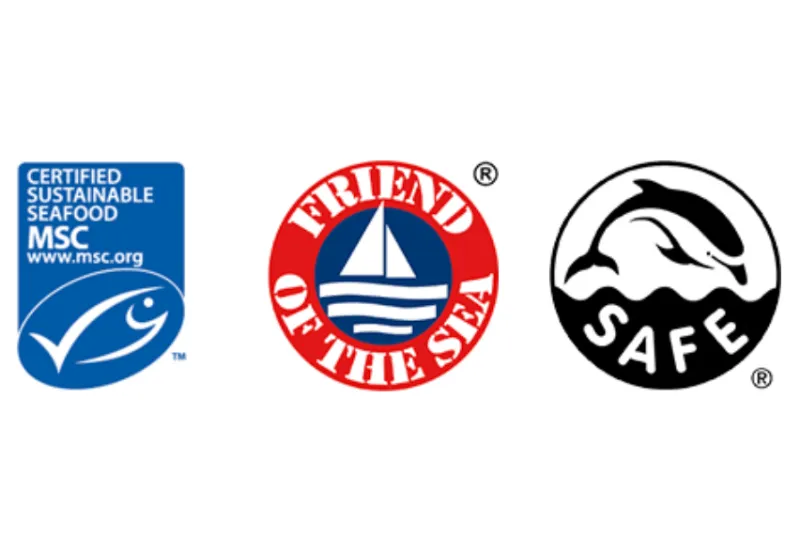
Always look for third-party certifications and industry accreditations like the Marine Stewardship Council (MSC), Friend of the Sea, and Dolphin Safe certifications, and membership of organisations such as the Commission for the Conservation of Southern Bluefin Tuna (CCSBT). Dinko Seafoods is committed to sustainability and proud to be fully accredited by the MSC, CCSBT, Friend of the Sea, and is certified Dolphin Safe.
When talking to your supplier, don’t hesitate to dive into specifics and ask about quota systems, bycatch reduction strategies, and humane harvesting processes. The answers should reflect a genuine commitment to sustainability.
Whole fish VS Portions
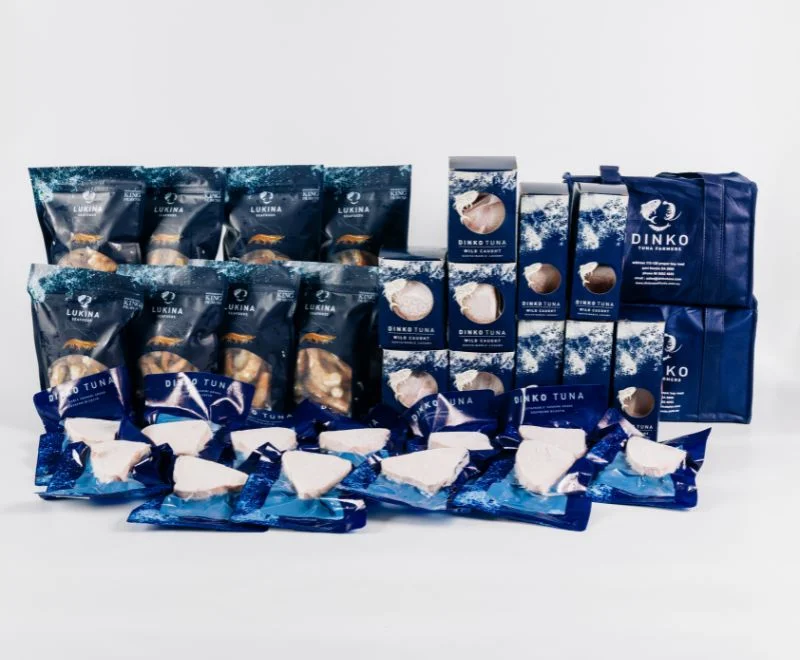
Every restaurant operates differently, so your Southern Bluefin Tuna supplier should offer flexibility in both cuts and quantities. While some wholesalers sell only whole fish (typically 15–30 kg), many kitchens benefit from pre-cut options that reduce labour and waste.
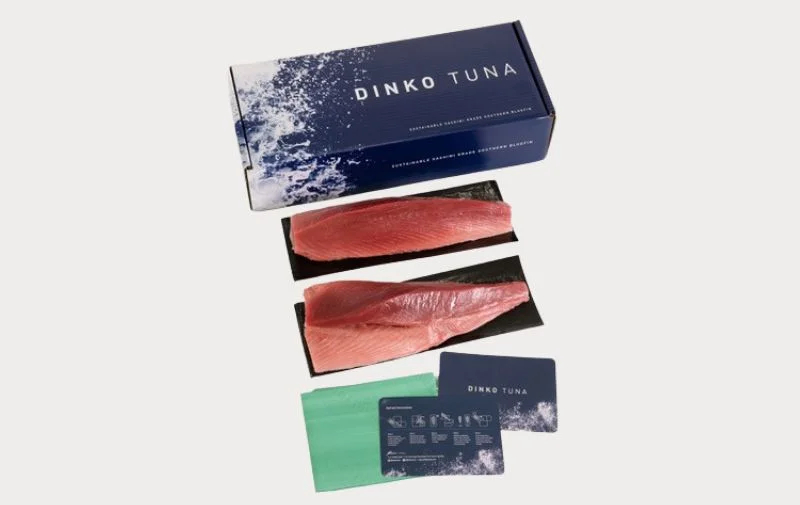
Dinko Seafoods supplies whole fish during harvest season, along with convenient pre-cut formats including tuna loins, steaks, and portions. Each piece is cut-to-order and vacuum-sealed to preserve freshness and integrity. This allows chefs to order exactly what they need without breaking down a full fish in-house.
Want to know more?
Choosing the right supplier is as important as choosing the right recipe. From sourcing and sustainability to freshness and consistency, Dinko Seafoods is committed to quality, transparency and sustainability.
For chefs who value flavour, integrity and reliability, the choice is clear. Contact our team today to place an order or learn more about our products.


Head Office
112-120 Proper Bay Road,
Port Lincoln
South Australia, Australia
Postal address
PO Box 2013,
Port Lincoln SA 5606
© Copyright Dinko Tuna 2026. All rights reserved. Website by Brilliant Digital.