
Premium Southern Bluefin Tuna
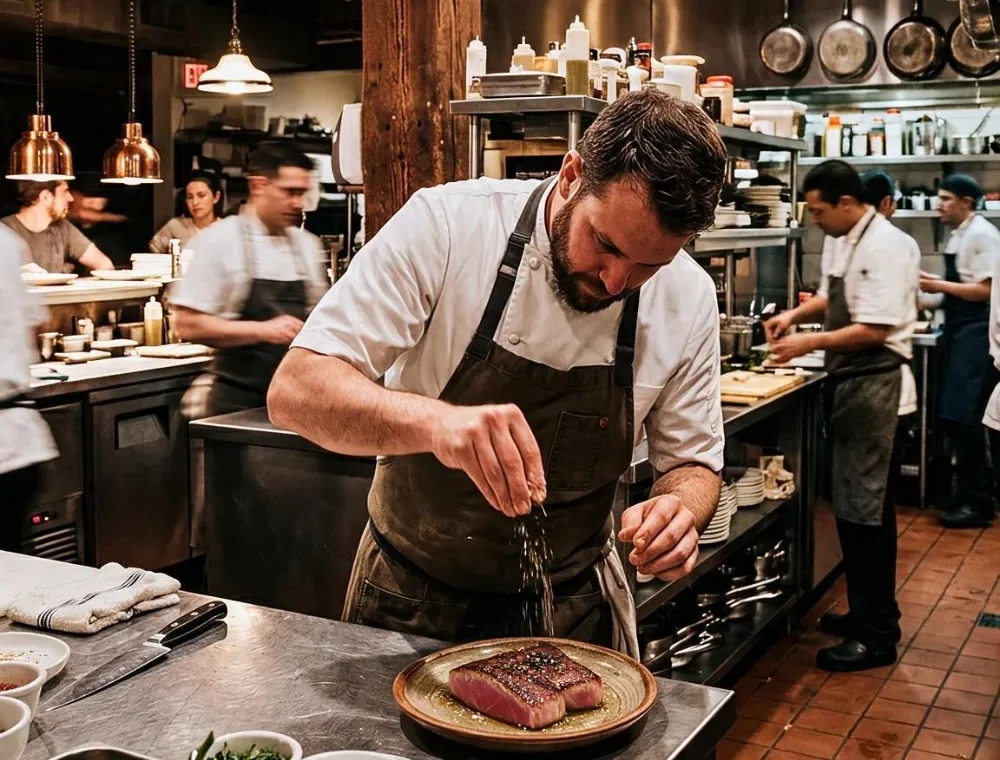
When a restaurant asks which Southern Bluefin Tuna format to order, we always start with the menu.
A sashimi counter has different requirements from a restaurant serving individually plated tuna steaks. A kitchen preparing sushi, poke and tataki may need something different again.
Dinko Southern Bluefin Tuna comes as loin, portions or steak, each cut to order. The difference is not just about size, but also how much prep you want to do in your kitchen.
For chefs, the best way to choose is to start with the dish you want to serve and work backwards.
Start With The Dish, Not The Cut
Southern Bluefin Tuna gives chefs plenty of options, as each part of the fish brings something different to the plate.
Akami is the lean red meat along the back. It has a firmer texture and a clean, meaty flavour. Dinko Seafoods recommends it for sashimi, nigiri, maki, light searing and marinated preparations.
Toro is the prized, fattier section. It’s paler, more marbled and softer, delivering the signature richness Bluefin Tuna is famous for.
This distinction matters when ordering. Dinko’s steaks and portions can be supplied from either akami or toro, while a loin pack includes both an akami and a toro loin.
So the question is not only, “Do I want a loin, portion or steak?”
It is also, “What am I putting on the plate?”
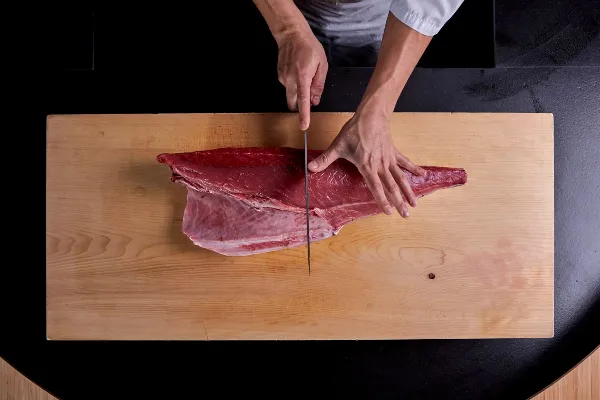
Bluefin Tuna Loin Gives Your Kitchen The Most Flexibility
Dinko Southern Bluefin Tuna loins are cut to order and range from about 1.5kg to 3.5kg. Each pack includes an akami top loin and a toro bottom loin.
If your kitchen is comfortable breaking down premium tuna, you have the freedom to decide exactly how to use each section.
Use the leaner akami for sashimi, nigiri, maki, marinated dishes or light searing. Reserve the richer toro for dishes where its fat and soft texture shines.
This makes loin especially useful when tuna features in several dishes across your menu.
You also get more control over the final size and shape of each piece, which is important for sashimi, sushi, or any dish that needs a precise cut.
The trade-off is simple: working with a loin requires more skill and prep from your kitchen. You’ll be working with a much larger piece than a steak or portion, so your team needs the skills, equipment and menu demand to use it well.
Bluefin Tuna Portions Sit Between Loin And Steak
Dinko’s Southern Bluefin Tuna portions range from 300g to 1.3kg. They are cut to order and can come from either akami or toro. This format is the middle ground between a full loin and an individual steak. You still have enough tuna to slice, dice, or portion as needed, but you don’t have to open a whole 1.5-3.5kg loin every time. Dinko already uses tuna portions for preparations such as sashimi, sushi and poke bowls. This makes portions a practical choice for restaurants serving tuna in several raw or lightly prepared dishes.
A 300g portion and a 1.3kg portion suit very different needs. This is why it’s important to order based on your actual menu. There’s little value in buying a larger format just because it seems more economical. The product still needs to fit how your kitchen operates.

Bluefin Tuna Steak Is Built Around A Smaller Serve
Dinko Bluefin Tuna steaks are cut to order in 150g to 250g sizes. They can be supplied from either akami or toro. This is the most straightforward format when tuna is the centrepiece of an individual plated dish.
We use steaks for quick searing and for dishes where the tuna is cooked briefly before slicing. The smaller size also means less prep before service. This is useful when you need consistent serving sizes more than the flexibility of a larger piece.
Steak isn’t just for cooked dishes. We also use steak for sashimi and other raw preparations.
Again, it all comes down to what your kitchen needs to do with the fish once it arrives.
Akami Or Toro Can Change The Dish Completely
For restaurant buyers, choosing the format is only half the decision.
Akami is the lean red meat of Bluefin Tuna. It offers more firmness and less fat than the belly sections.
Within Akami, we recognise distinct sections, each with its own qualities. Senaka is tender and deeply coloured, while Sekami and Seshimo are firmer.
Toro is the richer end of the fish.
Otoro is the fattiest and is often served raw. Chutoro sits between akami and otoro, offering some of toro’s richness with a bit more structure.
Harashimo is more sinewy, so it’s best for preparations where the tuna is diced or shredded.
These differences are why simply ordering ‘Bluefin Tuna’ without talking about how you’ll use it can be too vague. Two cuts from the same fish can give you very different results on the plate.

Why Dinko Super Freezes Southern Bluefin Tuna
Southern Bluefin Tuna harvesting is seasonal, but restaurant menus do not necessarily need to be.
Dinko harvests its whole Southern Bluefin Tuna from April to July. Its frozen loin, portions, and steak are available year-round.
We super freeze our tuna to about -60°C within hours of harvest. This process preserves the fish’s colour, texture, firmness and flavour.
We own and manage our fishing vessels and processing facility, giving us full control over the product from fishing to processing and preparation for delivery.
Each product is vacuum-sealed in Cryovac bags, then packed and transported using our specialised frozen-supply process.
For restaurants, this means you can order frozen Southern Bluefin Tuna year-round, not just during harvest season.
Frozen Tuna Still Needs Proper Restaurant Handling
Super freezing does not remove the restaurant’s own food safety responsibilities.
Food Standards Australia New Zealand requires potentially hazardous foods, including seafood, to remain under appropriate temperature control. Chilled seafood generally needs to remain at 5°C or colder.
Frozen food should also arrive frozen hard. Businesses should check deliveries and maintain appropriate temperature control once the product is received.
For Dinko loins, the company’s handling guide instructs customers to thaw them in the refrigerator at 0°C to 4°C while still cryovac-sealed.
Raw service requires additional care.
FSANZ recommends using fish commercially prepared and marketed for raw consumption when preparing sashimi, sushi and other raw fish dishes.
Dinko specifically markets its Southern Bluefin Tuna loin as sashimi-grade.
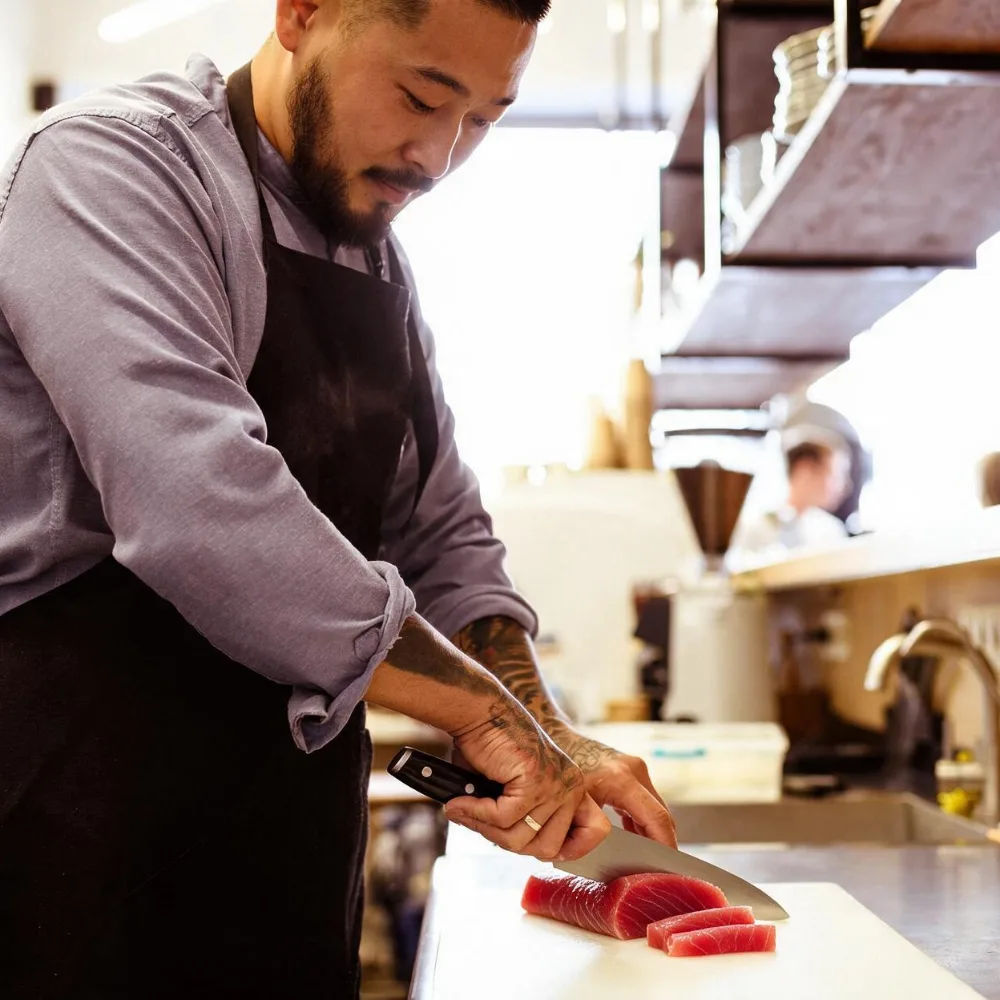
So Which Bluefin Tuna Format Should Your Restaurant Order?
Choose loin if you want the most control over cutting and plan to use different parts for several dishes.
Choose portions if you want flexibility, but don’t need to break down a full loin.
Choose steak if you want a smaller, cut-to-order piece for individual serves, searing or simple prep.
Then choose between akami and toro according to the dish.
A lean, firm piece of akami is a completely different ingredient from rich, marbled toro. Choosing the right format without thinking about this difference is only half the decision.


Head Office
112-120 Proper Bay Road,
Port Lincoln
South Australia, Australia
Postal address
PO Box 2013,
Port Lincoln SA 5606
© Copyright Dinko Tuna 2026. All rights reserved. Website by Brilliant Digital.